Sapphire hair transplant marketing can make the blade sound like the whole operation. The instrument matters, but a safe best hair transplant turkey plan still depends on graft selection, channel direction, donor limits, and aftercare.
What sapphire blades do
Sapphire blades are used for creating recipient channels in many FUE-style procedures. The aim is precise channel control, but the final look depends on angle, density, hairline design, and graft placement.
The word sapphire should not distract from the basics: who designs the hairline, who opens the channels, how grafts are sorted, and how the donor area is protected.
Graft planning and natural angles
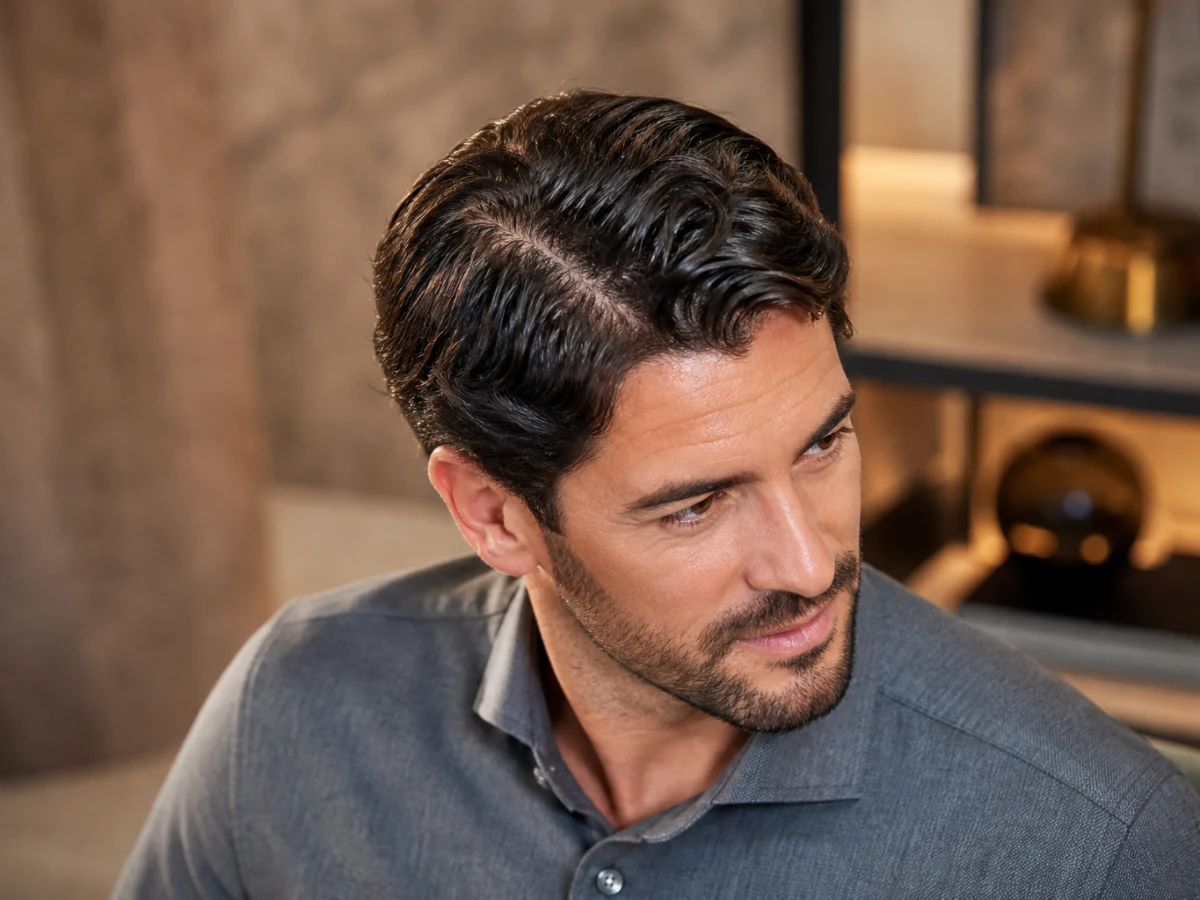
A natural hairline needs irregularity, single-hair grafts at the front, and angles that match your native growth. Packing too many grafts into a small zone can compromise healing.
Patients comparing best hair transplant in turkey price should ask what the quote includes and whether the plan changes if fewer grafts are medically safer on the day.
Recovery timeline
Expect early redness, scabbing, and strict washing instructions. Avoid touching the recipient area, sweating heavily, or exposing the scalp to direct sun while the skin is settling.
Shock loss can appear even when channels heal well. Early photos rarely represent the final outcome, so compare your progress with the clinic timeline, not social media highlights.
Safety and travel planning
Ask how many patients are scheduled the same day, what sterilization protocol is used, and how the team handles bleeding, swelling, or unexpected donor limitations.
For the matched operation page, see Sapphire hair transplant in Turkey.
FAQ
Is Sapphire FUE a different transplant?
It is usually a variation of FUE that uses sapphire blades for recipient channels. The planning and team skill remain central.
Does sapphire mean faster healing?
Some clinics associate it with precise channels, but healing still depends on scalp biology, density, aftercare, and surgical handling.
What should I ask before Sapphire FUE?
Ask who opens channels, how angles are planned, how many grafts are safe, and what follow-up is provided after travel.