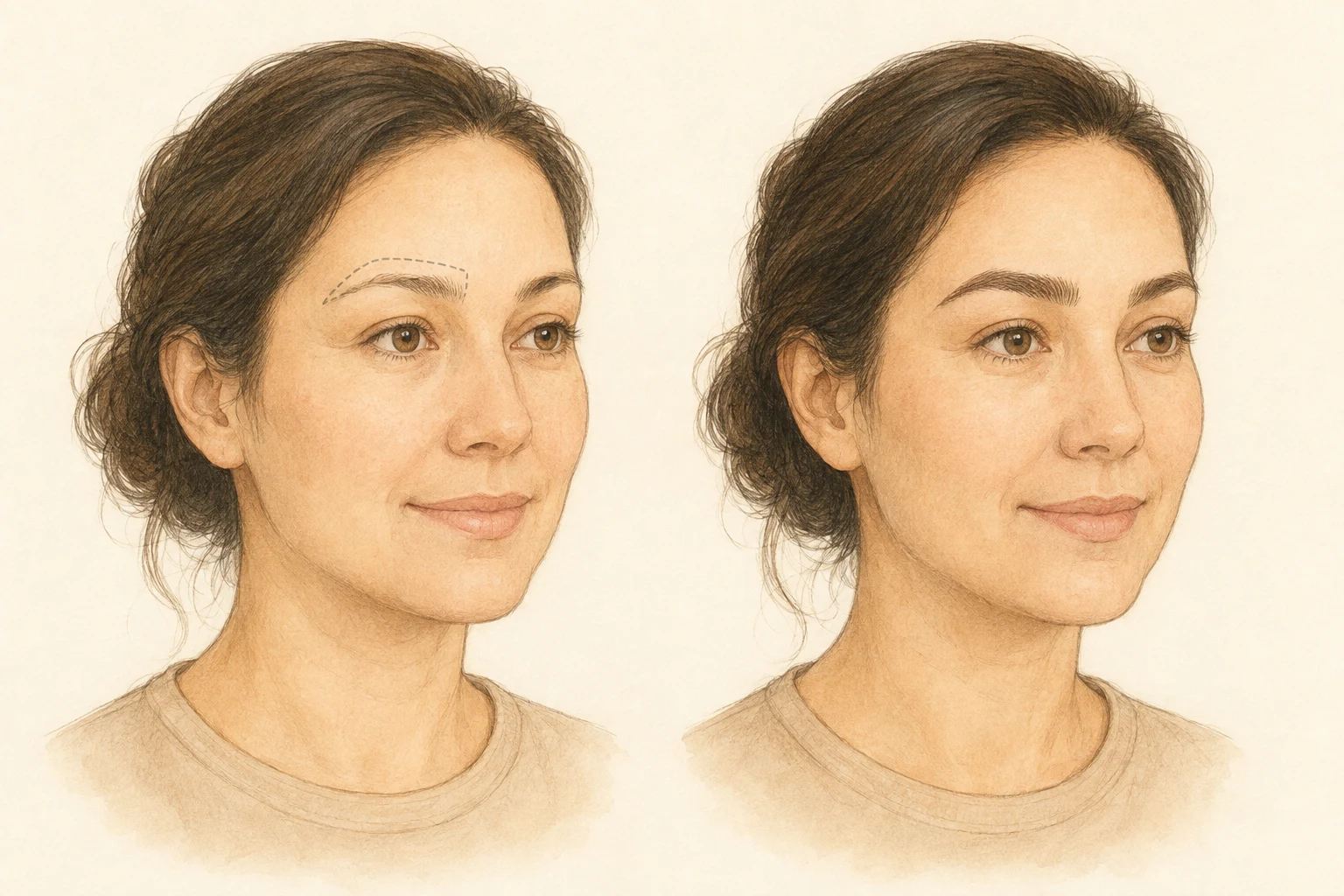
female hair transplant turkey planning starts with diagnosis. Women may have diffuse thinning, hormonal triggers, traction loss, scarring alopecia, or pattern hair loss, and each changes whether surgery is sensible.
Diagnosis before design
A transplant moves hair; it does not treat every cause of shedding. Blood tests, scalp examination, medication history, postpartum timing, menopause, thyroid status, iron levels, and dermatology review may all matter before surgery.
If hair loss is active or diffuse across the donor zone, surgery may be delayed or rejected. A cautious answer is better than filling a package slot with an unstable diagnosis.
Donor planning and shaving choices
Women often ask for unshaven or partially shaven approaches. These may be possible in selected cases, but they can limit session size, increase time, and make placement more technically demanding.
The donor area must still be measured. A quote for hair transplant turkey price should explain realistic density, whether a second session may be needed, and how existing hair will be protected.
Recovery and privacy
Recovery planning may focus on concealment: hairstyle, washing, travel, work calls, and avoiding friction. Existing hair can help hide early redness, but it can also make aftercare more delicate.
Shock loss can be especially stressful for women because surrounding native hair may shed temporarily. Ask how the clinic differentiates expected shedding from ongoing untreated hair loss.
Questions to ask
Ask who reviews diagnosis, whether medical treatment is advised before surgery, what shaving pattern is planned, and how female hairline shape differs from male restoration.
Read the related page for candidacy and technique context: female hair transplant in Turkey.
FAQ
Can women have an unshaven hair transplant?
Sometimes, but suitability depends on graft number, hair length, donor density, and the team technique. It should be confirmed after assessment.
Why is diagnosis important for women?
Diffuse or medical hair loss can continue after surgery. Treating the cause may be necessary before or instead of transplanting.
Will shock loss affect existing hair?
It can. Temporary shedding may involve native hair near treated areas, so follow-up and diagnosis are important.